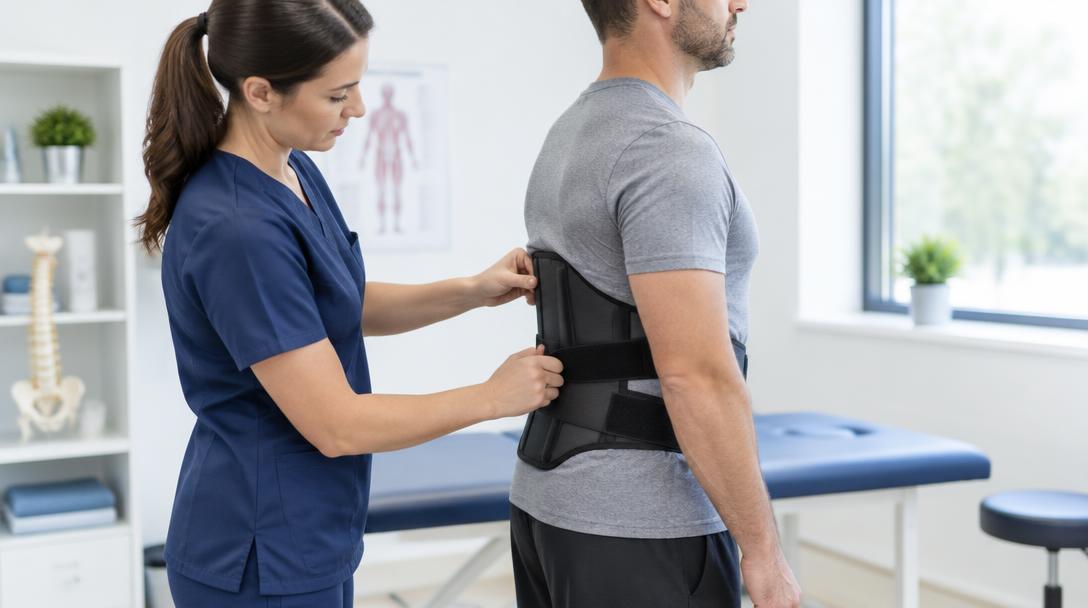
Lumbar Support Brace
A back support belt that provides compression and support to the lower back, stabilizing muscles and joints and helping relieve strain on the injured area.
Request a QuoteProduct Category
Supports that stabilize the injured area, relieve pressure and help you move with confidence while you heal.
A back support belt that provides compression and support to the lower back, stabilizing muscles and joints and helping relieve strain on the injured area.
Request a Quote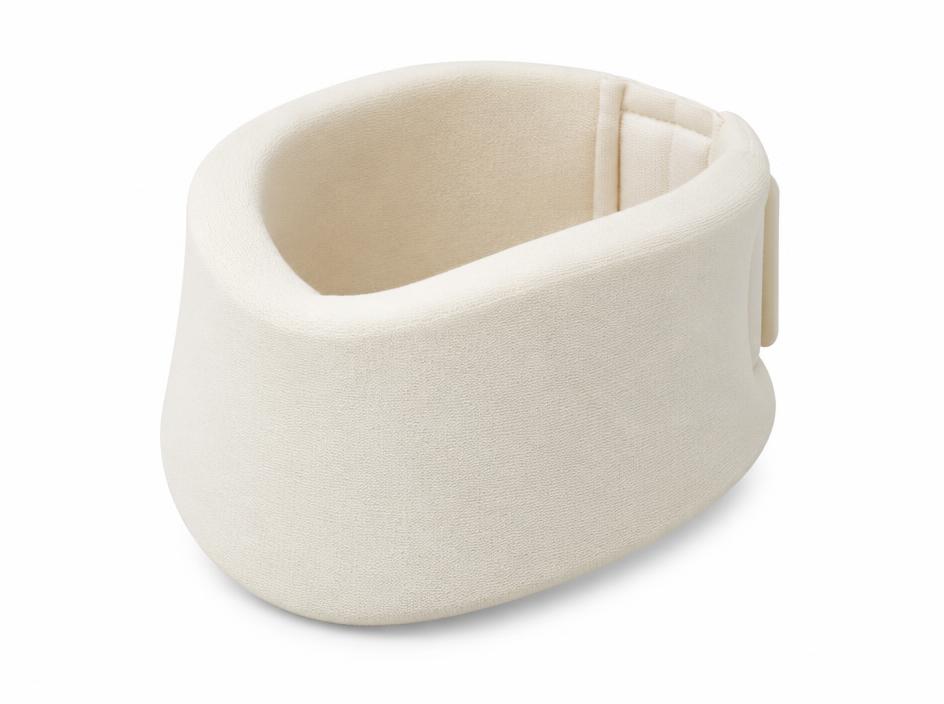
A neck support brace that helps immobilize and stabilize the cervical spine, limiting movement so the injured area can heal.
Request a Quote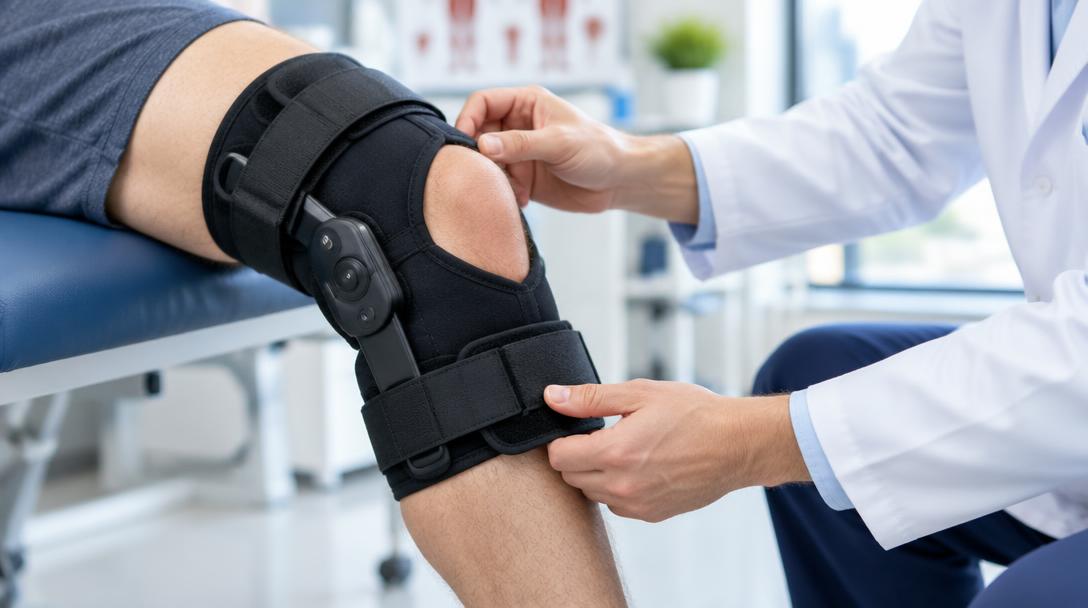
An adjustable knee support that stabilizes the joint and provides compression during recovery and daily activity.
Request a Quote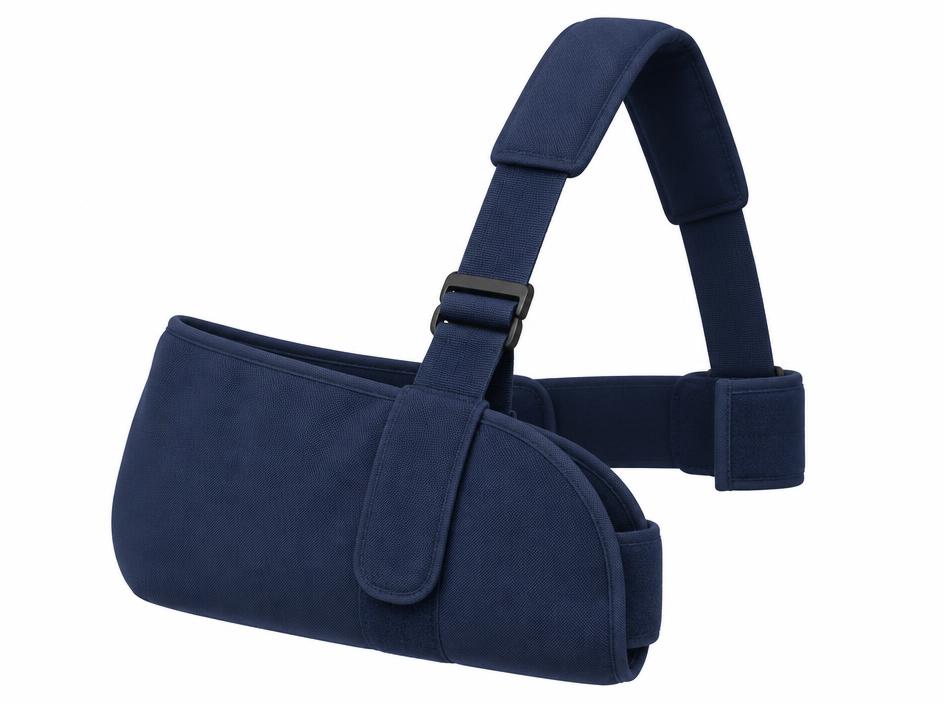
A shoulder immobilizer or support sling that limits movement and relieves strain on the shoulder while it heals.
Request a Quote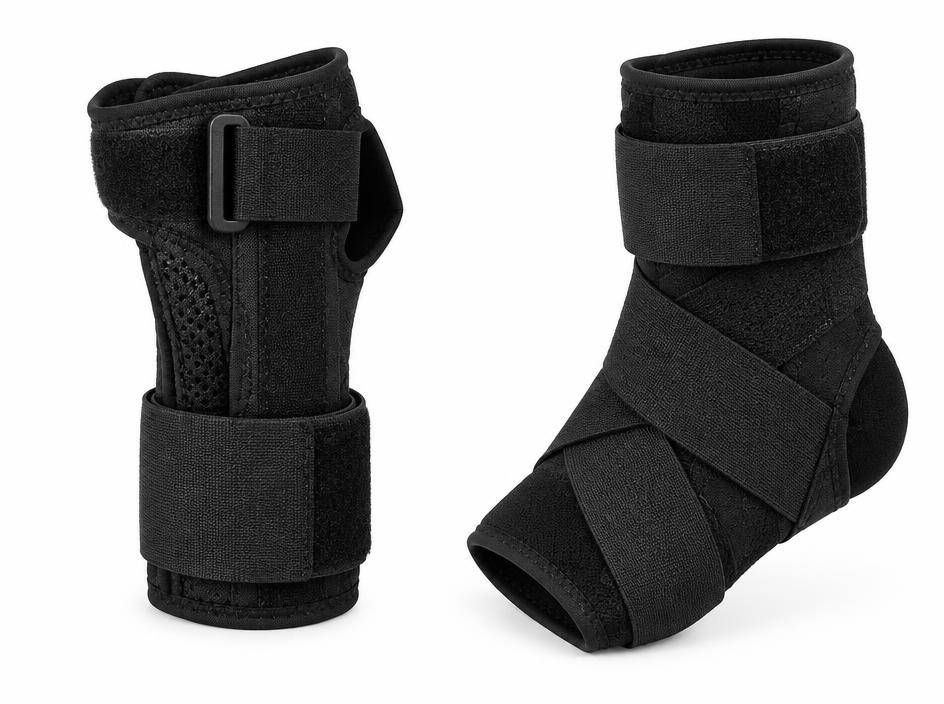
Adjustable wrist and ankle supports that provide compression and stability for sprains, strains and overuse injuries.
Request a QuoteLumbar support belts, also known as back braces, can provide several benefits for individuals with back injuries.
Pain relief — Compression and support to the lower back help stabilize the muscles and joints, reducing strain and pressure on the injured area.
Posture correction — The brace supports the natural curvature of the lower back, helping relieve stress on the spine and surrounding muscles.
Reduced load on the spine — Weight and pressure are distributed more evenly across the lower back, which can help with lifting or repetitive bending and twisting.
Increased confidence and mobility — Stability and support can increase confidence to move and engage in daily activities while helping prevent further strain.
A reminder to avoid excessive movement — Wearing a brace promotes awareness of posture and body mechanics and discourages movements that may aggravate the injury.
Neck braces, also known as cervical collars, can provide several benefits for individuals with neck injuries.
Immobilization and stability — The brace restricts movement, supports the spine and surrounding muscles, and reduces strain so the injured area can heal.
Pain relief — Limiting movement and providing support helps reduce pressure on injured structures such as the vertebrae, discs or ligaments.
Alignment and posture correction — The brace keeps the head and neck in a neutral position, which can relieve stress on the injured area.
Protection from further injury — The brace helps prevent excessive movements or sudden jerks that could worsen the injury.
A sense of security — Many people feel more confident and comfortable during recovery with the added support of a brace.
Product information is general in nature and is not medical advice. Follow your healthcare provider's instructions for the use of any equipment.